Generative AI and LLM application development
Generative AI development is building software features on large language models such as Claude and GPT: assistants that answer from your own documents (retrieval augmented generation, or RAG), tools that read, summarise and draft, and AI features inside an existing product or SaaS. Sassy Infotech builds these as ordinary engineering projects with a fixed scope, an evaluation set and a named reviewer, the way it built Fixo, its own AI assistant on WhatsApp.
- A written specification of the AI feature: inputs, outputs, data sources and what it must never do
- Retrieval over your own content (RAG) where answers must come from your documents, with sources shown
- Integration into your existing web app, mobile app or SaaS through an API, not a separate tool
- An evaluation set built from real examples, with a pass rate agreed before launch
- Guardrails, logging, cost tracking per request and a fallback when the model is unsure
- Handover documentation and, if you want it, operation under Run with us
- Typical team
- A delivery lead, an AI engineer, a back end engineer and a QA engineer
- Typical duration
- Four to ten weeks for a first feature
- Engagement models
- AI audit · Fixed price · Dedicated team · Build and run
We start from the task, not the model. Most useful AI features are narrow: answer questions from a policy library, turn a voice note into a structured record, draft a reply for a person to approve. We pick the smallest model and the simplest design that passes the evaluation, because that is what keeps running costs predictable.
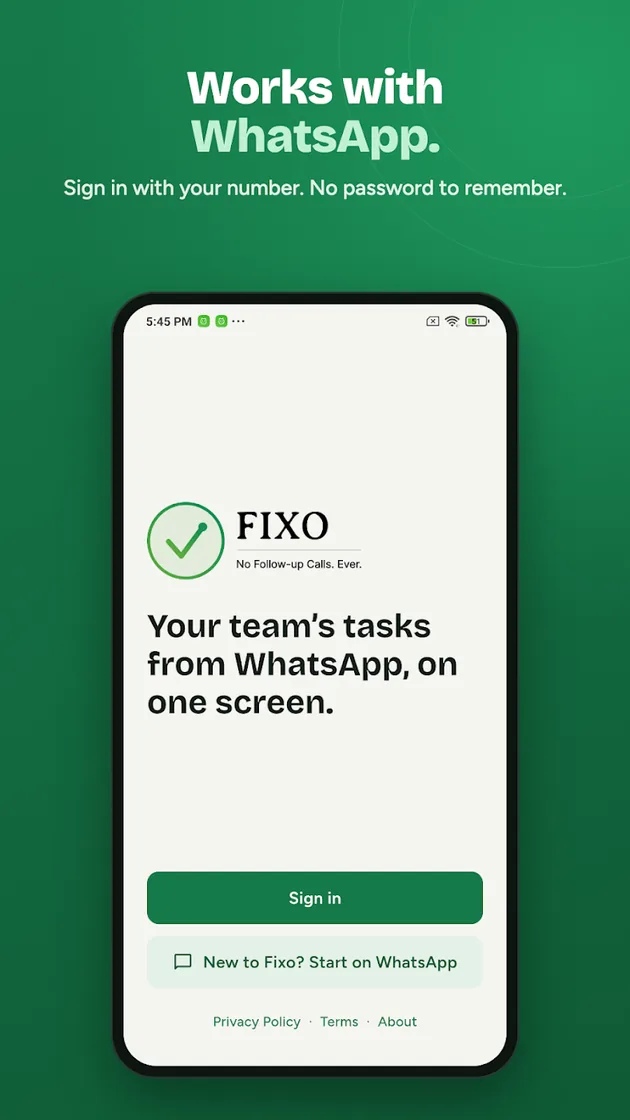
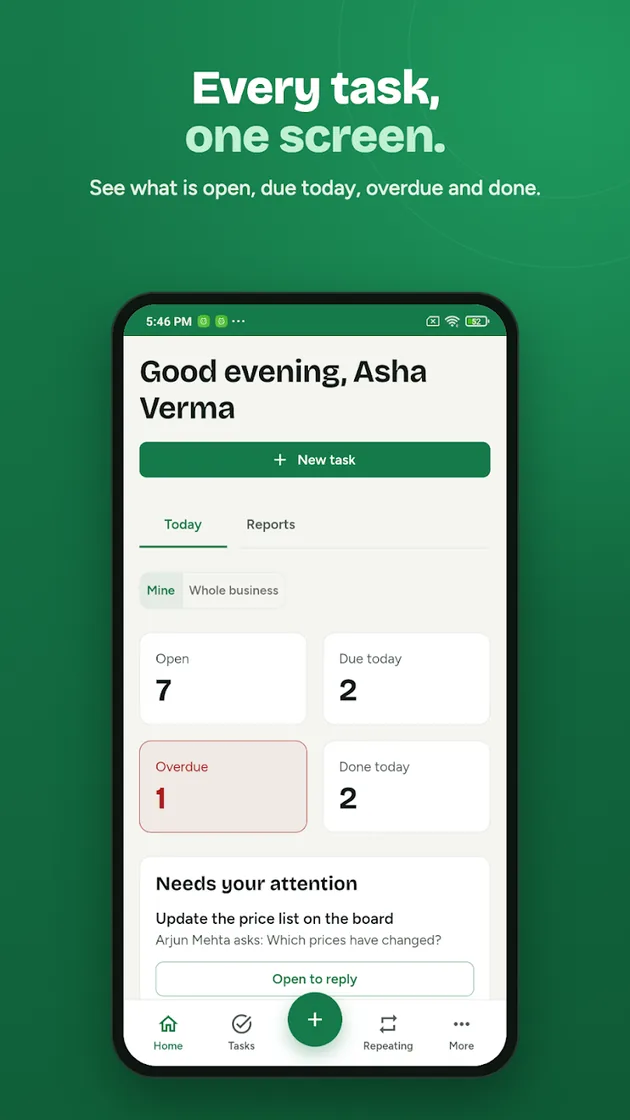
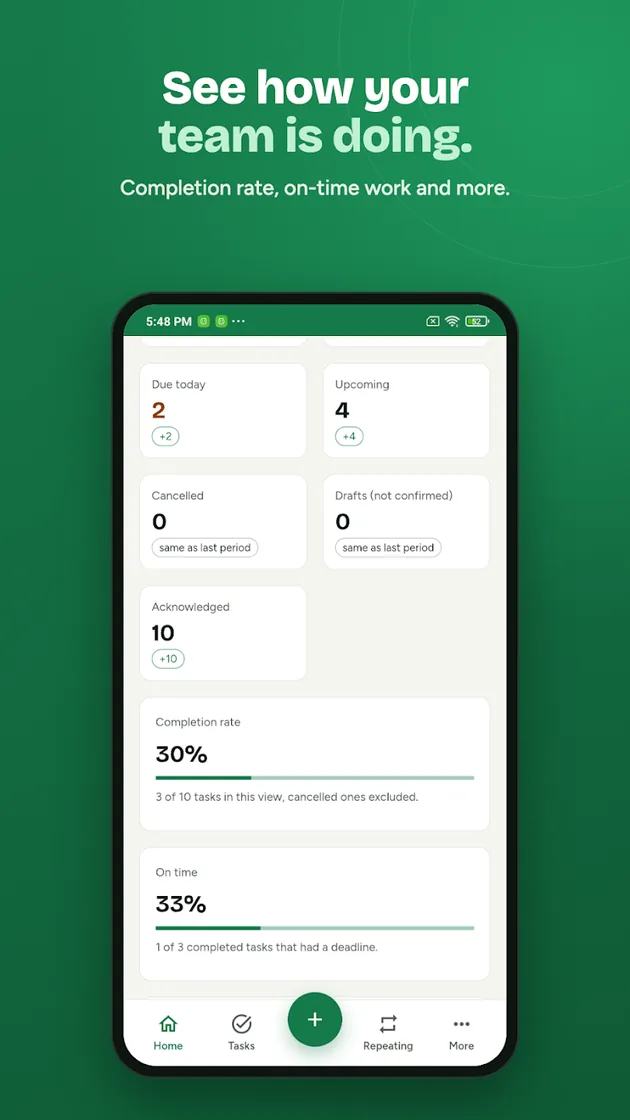
Fixo, our own product, works this way. It reads typed, voice and forwarded WhatsApp messages in English, Hindi and Hinglish, extracts the task, assignee and deadline, and asks the sender to confirm before anything is saved. The evaluation, confirmation and logging patterns on this page come from running it in production.
What we do not do
- No AI feature goes live without an evaluation set and a pass rate you have agreed.
- No fine tuning or custom model training sold where retrieval and a good prompt will do the job.
- No client data is used to train models, and no data is sent to a model provider you have not approved.
- No accuracy claims without the test results to show for them.
Agents write faster. Senior engineers decide what ships.
We use agentic coding tools on every project. Nothing reaches production without a senior engineer's review on the merge, an evaluation pass on AI features, and guardrails agreed with you in writing.
- Senior review on every merge
- Written evaluation and guardrail process for AI features
- Your data is never used to train models
- ISO 27001:2022 certified information security
- Intellectual property assigned to you on payment
- Meta Tech Provider for the WhatsApp Business Platform
- Claude
- GPT models
- Open models
- Vector databases
- Model Context Protocol
- Python
- Node.js
- AI engineers
Scope, price and timeline agreed in writing before work starts.
Dedicated developer or teamOne or more engineers assigned to you full time, directed by your team, managed by ours.
Build and runWe build the product, then host, monitor, release and support it on a monthly fee.
AI auditA fixed fee, fixed scope engagement that maps where agents and automation would pay off in your business, and what they would cost to build and run.
Answered plainly.
- What is the difference between generative AI, an LLM application and an AI agent?
- Generative AI is the general term for models that produce text, images or code. An LLM application is software built around a language model, such as a document assistant. An AI agent is an LLM application that can also take actions in other systems. For agents, see our AI agent development page.
- What is RAG and when do we need it?
- Retrieval augmented generation means the system first finds the relevant passages in your own documents or database, then asks the model to answer from those passages only. You need it when answers must reflect your content, stay current and show their source. It is usually cheaper and easier to maintain than training a model.
- Can you add AI to software we already have?
- Yes. Most of this work is integration: an API that your existing application calls, with the model, retrieval and guardrails behind it. We work in your codebase or alongside your team, and we also take over applications built by another vendor.
- Which model will you use?
- The one that passes your evaluation at the lowest running cost. We work with Claude, GPT and open models, and design so the model can be changed later without rebuilding the feature.
- How do you keep our data safe?
- Data stays in systems you approve. We use model providers under agreements that exclude training on your inputs, send the model only what the task needs and log every request. Our security and AI policy is published on this site.
- What does it cost to run?
- Running cost depends on volume and model choice, so we measure cost per request during the build and report it with the evaluation results. You see the expected monthly figure before launch.
Tell us what you are building. We reply within one business day.
Prefer to talk now? Message us on WhatsApp or call.
- SuratHead office101, 1st Floor, Meridian Tower 2, Udhana Darwaja, Ring Road, Surat 395002
- Mumbai2, Star Trade Center, Nr. Chamunda Circle, S.V.P Road, Borivali (W), Mumbai 400092
- New Delhi400-A, 4th Floor, 12 Ajit Singh House, Yusuf Sarai Commercial Complex, New Delhi 110016